What do you want to sew? From project to machine type
Hems, clothes, jersey, bags, quilts or embroidery: every project asks something different of a machine. Start here to work out which type you need and which guide to read next.
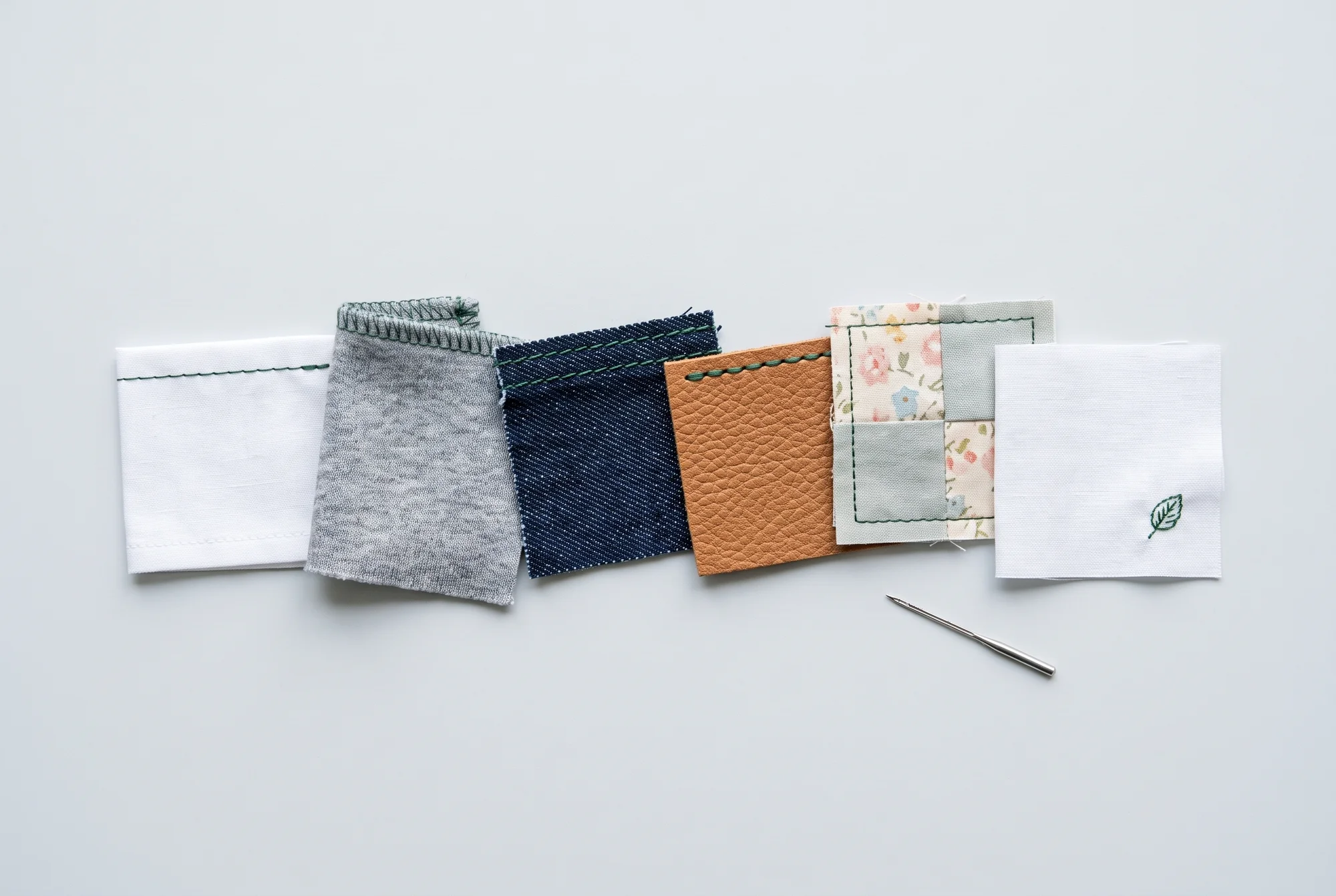
Before comparing models, it's worth answering a single question: what do you want to sew, and how often? The buying guides we read, in Italian, English and German, all start from here. Hemming a pair of trousers, a jersey t-shirt and a canvas bag ask different things of a machine, and the right machine for one can be awkward for another.
This page is the index of SewingSpecs' guides: for each project you'll find what to look at and where to read more.
Hems, repairs and small jobs around the house
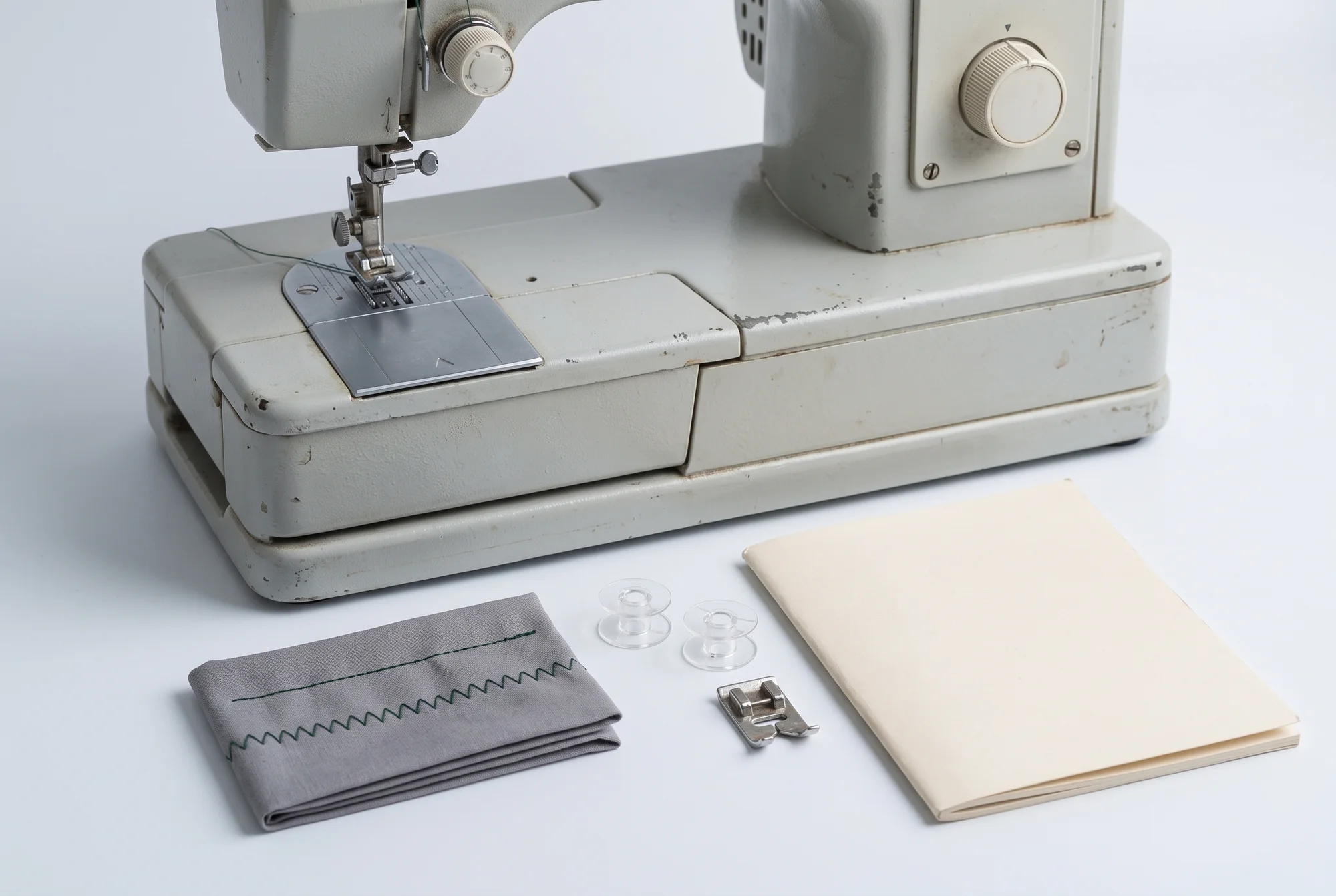
To take up a pair of trousers, mend things, make curtains and pillowcases, a basic domestic sewing machine, mechanical or electronic, is enough. Sew Liberated sums up what to look for in a first machine like this: straight stitch, zigzag, buttonhole, and the ability to adjust stitch width and length. The blind hem stitch is for hems that shouldn't show from the right side.
The differences between mechanical and electronic are explained in Mechanical, electronic or computerised; why a hundred stitches aren't a useful measure, in How many stitches you need.
Mini machines take up little space, but manufacturers state a reduced working area for them: fine for a hem, not for a coat.
Clothes and garments
Sewing clothes needs three things that matter little for small jobs:
- the free arm, the part of the machine that stays slim when you remove the extension table: you slip sleeves and trouser legs over it to sew them in the round. Bernina calls it "Freearm Sewing," Singer and Janome "Free Arm," and state it on their spec sheets;
- a well-made buttonhole, ideally in a single pass (the machine measures the button and changes direction on its own);
- the right presser feet, starting with the zipper foot: see The presser feet you need and, to find out which feet fit your machine, Shank and presser foot attachment.
The category to look at is sewing machines, mechanical or electronic and computerised.
Jersey and stretch fabrics
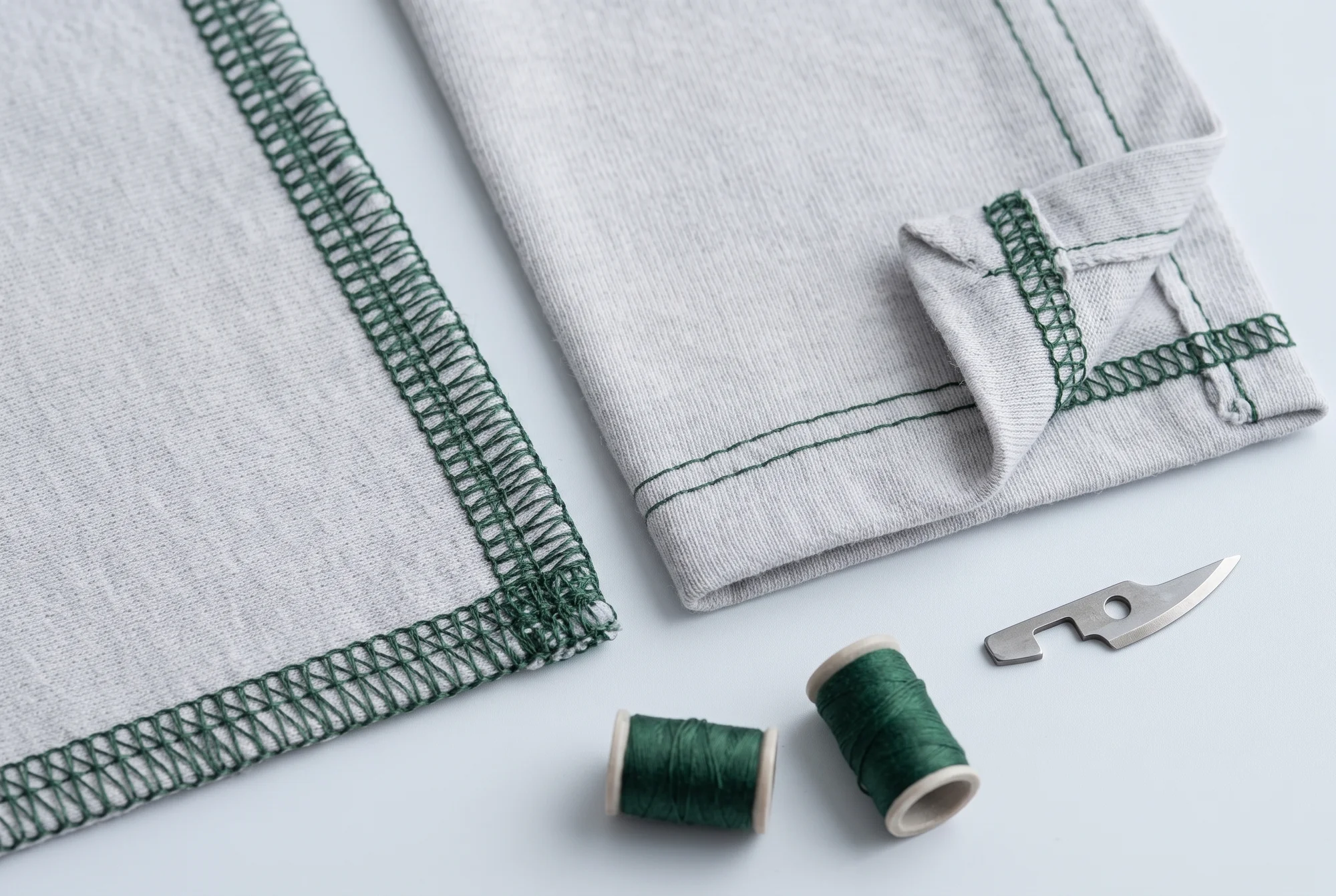
Jersey can be sewn on a sewing machine too, as long as it has stitches that stretch with the fabric: the triple stretch straight stitch, zigzag, the stretch overlock stitch. You also need a suitable needle (Schmetz recommends the ball point, "Jersey," for knits: it doesn't damage the fibres) and, if possible, adjustable presser foot pressure.
The step-by-step process is in Sewing jersey. If you sew a lot of knitwear, sooner or later you'll come across the overlocker: what it does and doesn't do is explained in Do you need an overlocker?. Stiftung Warentest's short answer: it stands alongside the sewing machine, it doesn't replace it.
Jeans, bags, canvas and leather
Here the problem is thickness, and above all layers slipping against each other. Things to look at:
- dual feed: a second system that pushes the top layer while the feed dogs (the teeth under the foot) push the bottom one. Janome describes it like this: the foot moves the top layer "in sync" with the bottom one. It can be built into the machine or come as a separate foot: the difference is explained in Fabric feed;
- the needle: Schmetz recommends the reinforced "Jeans" point for denim and thick fabrics, and the cutting "Leather" point for leather, not to be used on knits or woven fabrics. The full table is in The right needle for the fabric;
- how high the foot lifts, to let the layers pass through.
For thick leather and upholstery there are industrial machines with a compound feed: Juki describes them with a foot that alternately rises and falls ("alternating vertical movement"). You'll find them among the industrial machines.
Quilting and patchwork
A quilt is a three-layer fabric (top, wadding, backing) that has to be sewn all together. What matters:
- the space to the right of the needle, meaning how much quilt you can fit under the machine's arm;
- dual feed, for the straight stitching that holds the layers together;
- feed dogs that drop, for free-motion quilting: WeAllSew, Bernina's blog, explains that you drop the feed dogs and move the fabric by hand: you guide the stitch, not the machine.
Anyone doing a lot of quilting should also look at straight-stitch machines, which Juki sells as a category of its own ("Semi Professional"), and beyond that at long-arm quilting: a head that slides on a frame above the still quilt, or set into a table. How the bobbin changes between the two hook types (the part that, under the plate, crosses the needle thread with the bobbin thread) is in Rotary or oscillating hook.
Embroidery
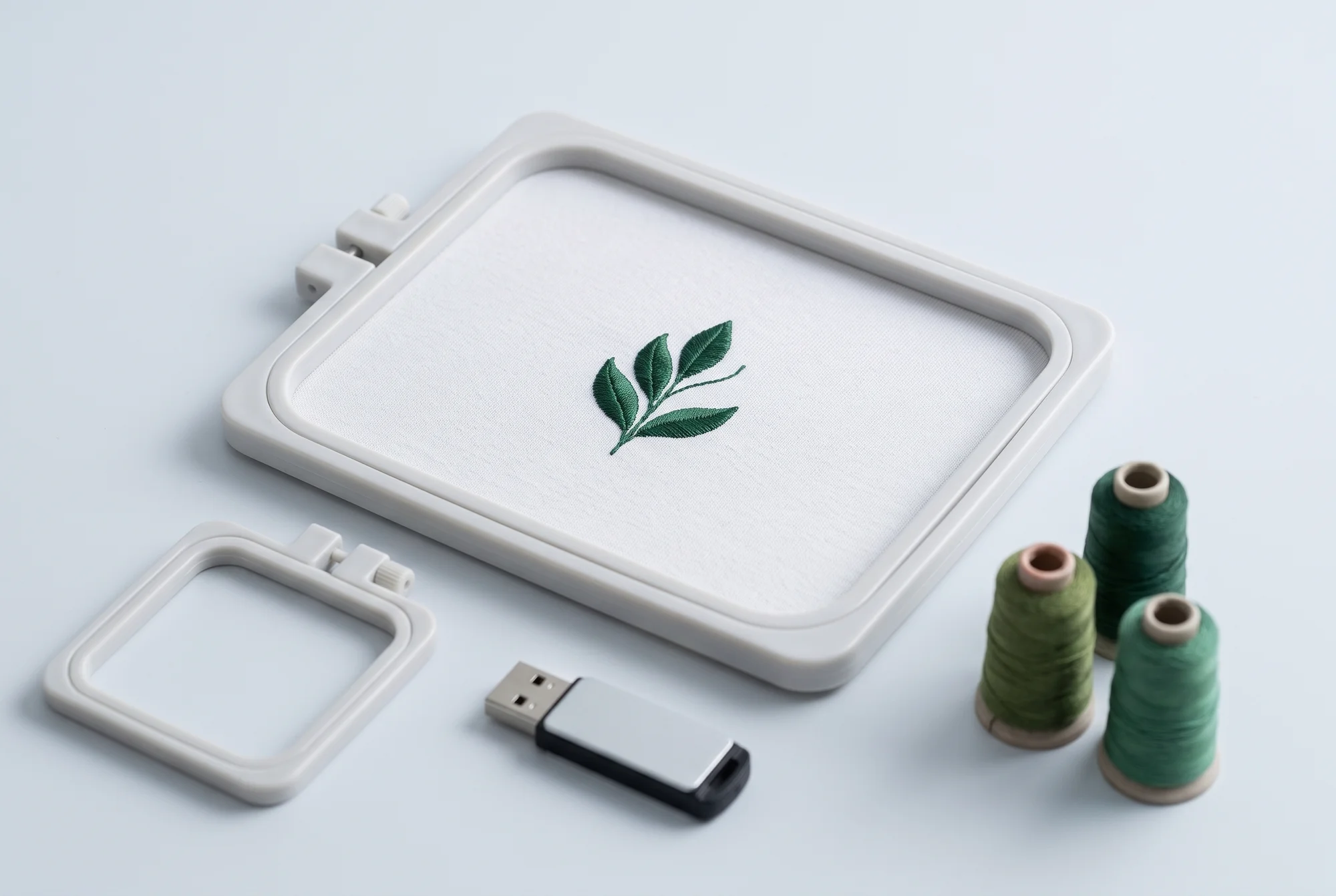
To embroider names, monograms and designs you need a machine with a motorised arm that moves the hoop. There are three routes: a sewing and embroidery combo, a single-needle embroidery machine or a multi-needle one. Hoop area, file formats and design transfer are covered in How to choose an embroidery machine.
In brief
| What you want to do | Where to start | Read next |
|---|---|---|
| Hems, repairs, home | A basic sewing machine | Mechanical or computerised |
| Clothes | A sewing machine with a free arm and one-step buttonhole | The presser feet you need |
| Jersey | A sewing machine with stretch stitches; maybe, later, an overlocker | Sewing jersey |
| Jeans, bags, leather | Dual feed and the right needle; for thick leather, an industrial machine | Fabric feed |
| Quilting | Space under the arm, dual feed, feed dogs that drop | Rotary or oscillating hook |
| Embroidery | Combo, single-needle or multi-needle | How to choose an embroidery machine |
As of 19 September 2026 the SewingSpecs catalogue holds 140 published spec sheets: 46 sewing machines, 24 embroidery machines (12 combos), 21 overlockers and coverstitch machines, 7 long-arm quilting machines, 27 industrial machines and 15 accessories. These are the machines we've catalogued, not the whole market: for 12 of the 46 sewing machines the manufacturer states a dual feed, either built in or with a foot included.
If you're considering a second-hand machine, also read New or used. And once it's home, Cleaning and oiling the machine will save you from half the problems people mistake for faults.
Sources
- Sew Liberated, «The Sew Liberated Guide to Buying a Sewing Machine» — Source 1
- Stiftung Warentest, «Nähmaschinen im Test», 24 October 2024 — Source 2
- BERNINA, model comparison (official PDF, 2023) — Source 3
- Janome, AcuFeed Dual Feed Foot — Source 4
- Janome, SewMini, specifications — Source 5
- SCHMETZ, Needle ABC. Needles for household sewing machines, edition 03/2024 — Source 6
- WeAllSew (BERNINA of America), «A Guide to BERNINA Free-Motion Presser Feet» — Source 7
- Juki, TL-18QVP (Semi Professional Sewing Machine) — Source 8
- Juki, DU-1181N — Source 9
Three examples from the catalogue
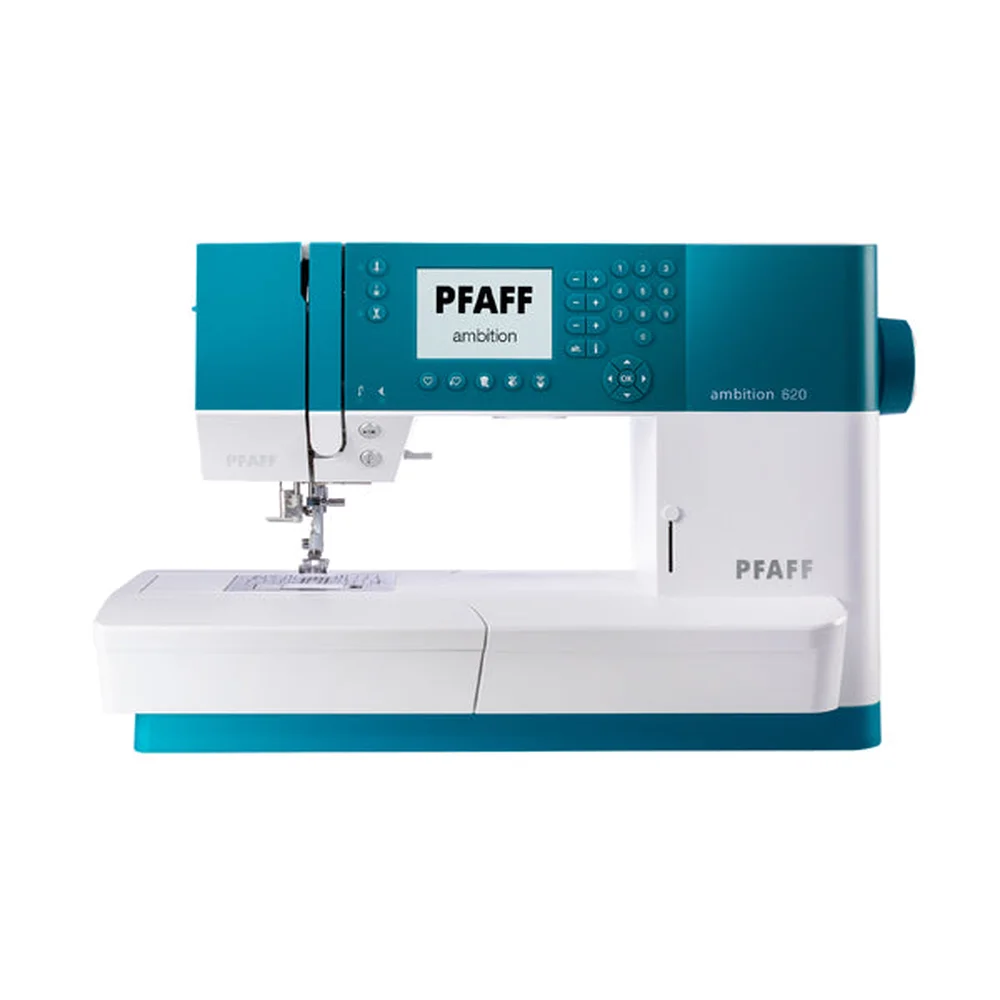
Why it's here Dual feed / walking foot system: Integrated in the machine · manufacturer's source
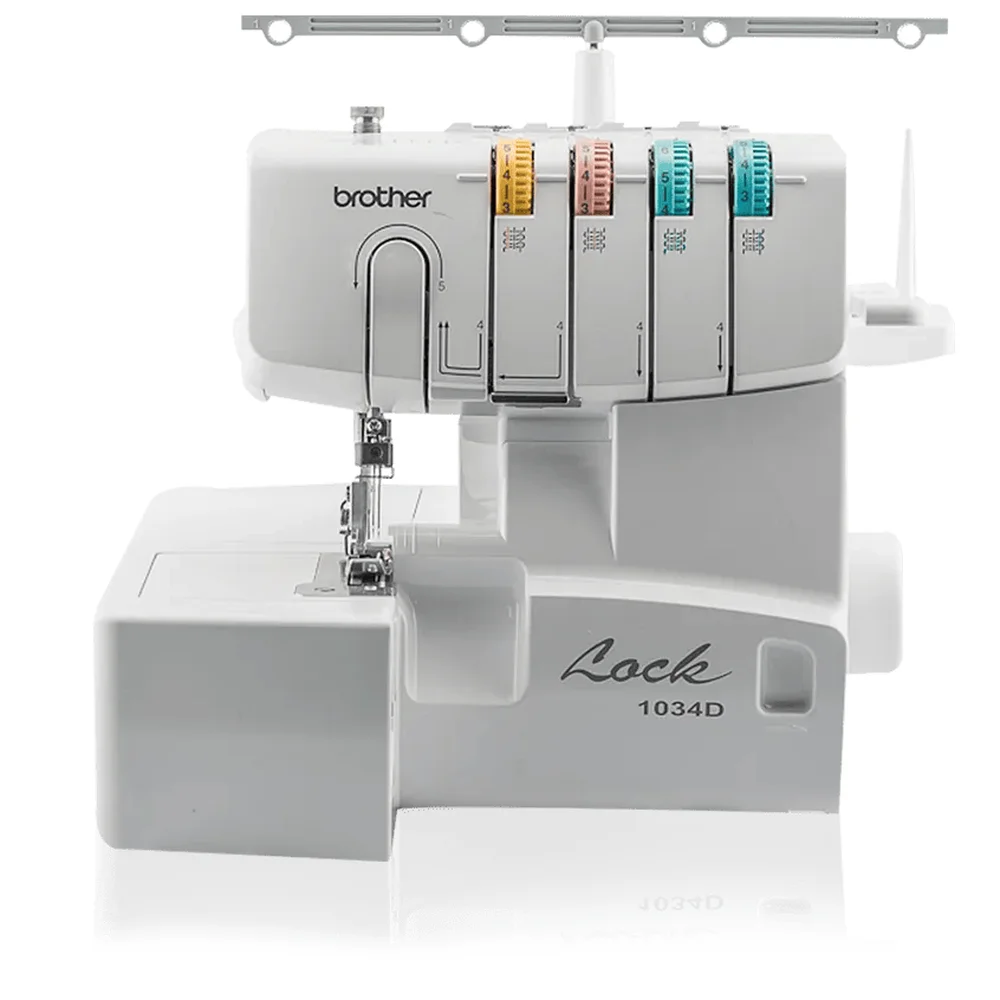
Why it's here Maximum threads: 4 · manufacturer's source
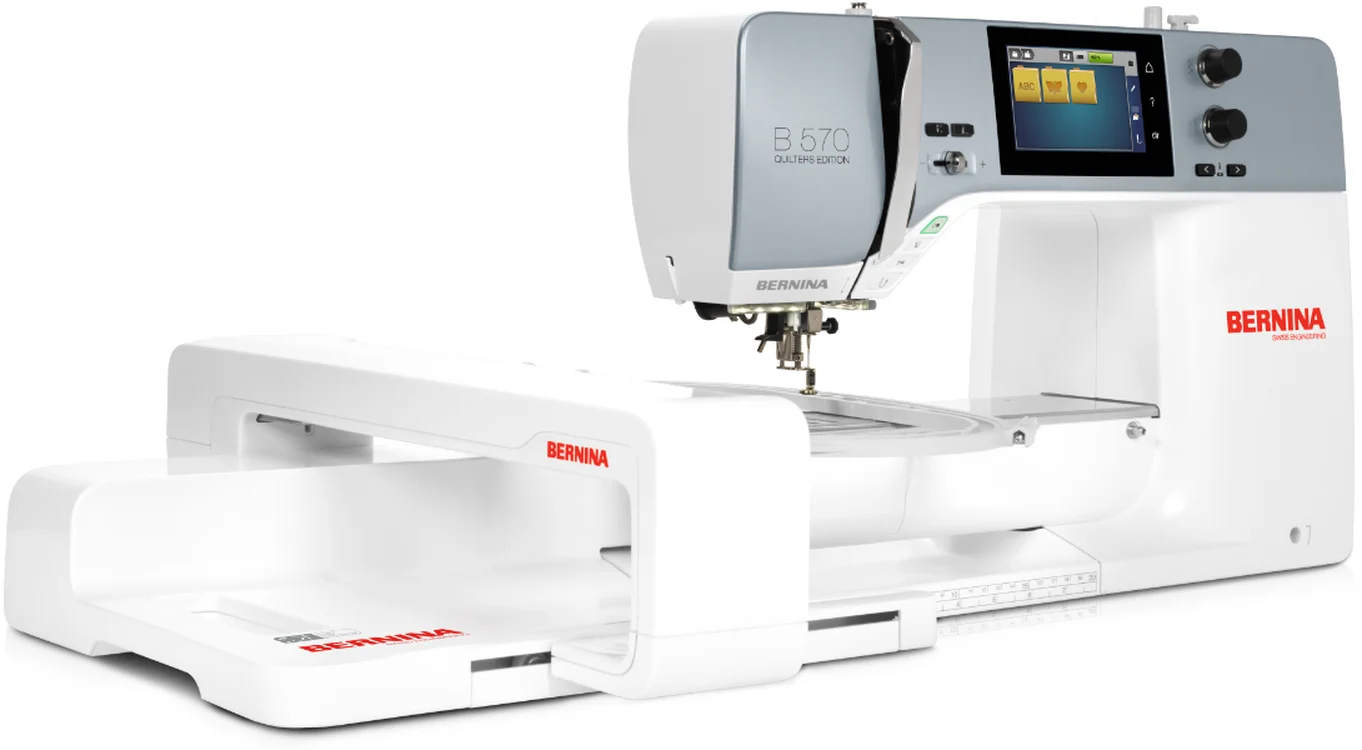
Why it's here Embroidery unit: Included · manufacturer's source