Rotary or oscillating hook: where the bobbin sits, and what it changes for you
A bobbin that drops in from above under a clear cover, or a bobbin locked inside a case you thread from the front: what changes when you sew, when you clean the machine, and when you buy bobbins and presser feet.
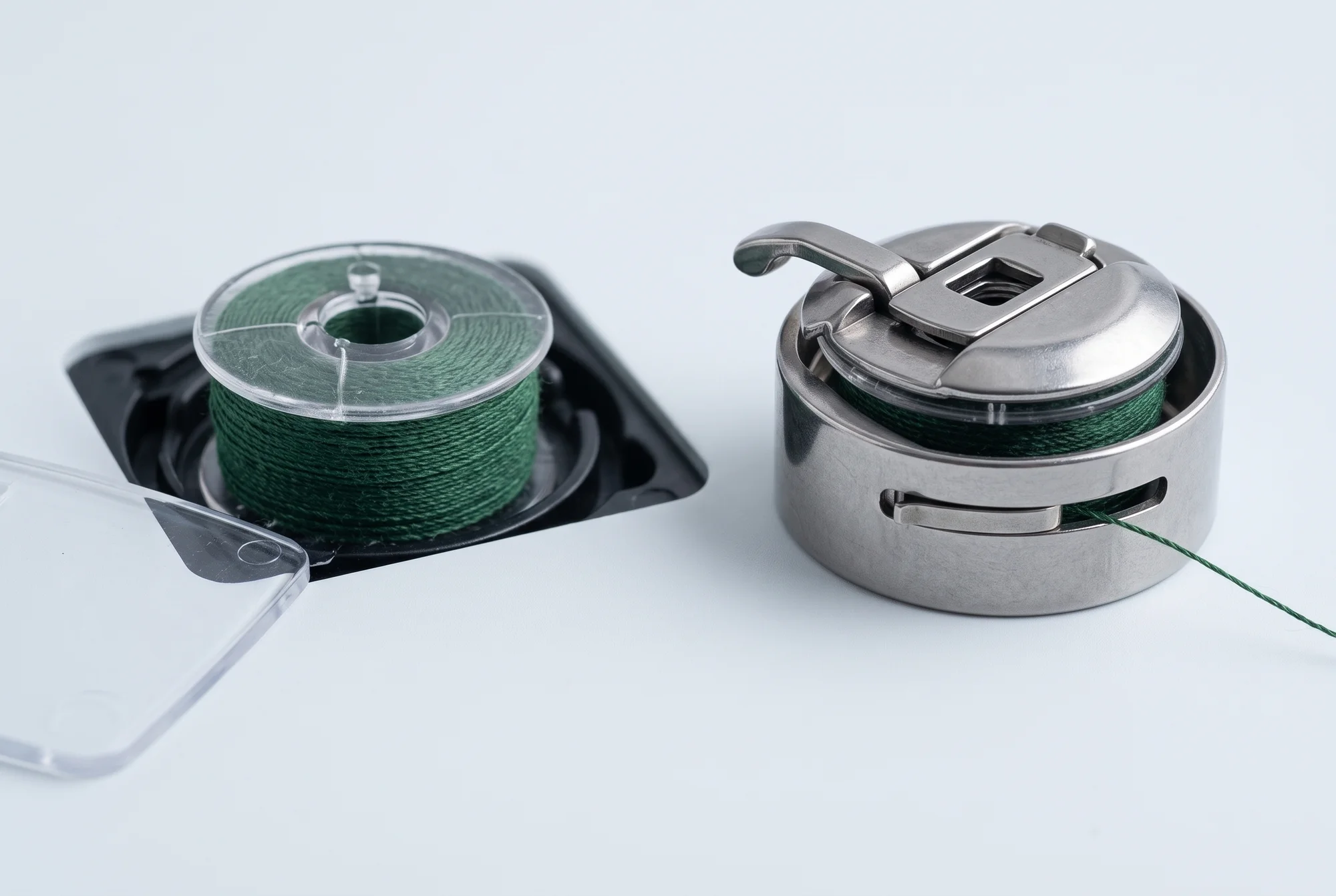
Open the cover below the needle and you'll find one of two things: a bobbin sitting flat under a clear cover, or a small front hatch with a metal case behind it that slides out. The difference looks like a manufacturing detail. In fact it decides how you change the bobbin, how you clean the machine, which bobbins you buy, and even which presser feet you can fit.
What the hook is
The hook is the part that works beneath the needle plate. It catches the needle thread as it drops below the fabric and carries it around the bobbin, the small spool that holds the lower thread. That's how the two threads lock together halfway through the fabric, forming the lockstitch, the straight stitch of every sewing machine. On some machines the bobbin sits inside a bobbin case, a small metal holder with a spring that tensions the thread; on others it sits in a fixed housing.
To work out which hook you have, ask two questions: where it sits (flat, horizontal, or upright, vertical) and how it moves (always turning the same way, rotary, or swinging back and forth, oscillating). Janome's guide to finding the right accessories starts from exactly this: "Where do you insert the bobbin?" There are two possible answers, "Horizontal Rotary Hook Bobbin" and "Front Loading Vertical Oscillating Hook."
| Hook | Where you put the bobbin | Where it's declared in our catalogue |
|---|---|---|
| Horizontal rotary | From above, in a housing under the plate | Electronic, mechanical, mini and combo machines |
| Vertical oscillating | From the front or side, inside a case | Mechanical machines |
| Vertical rotary | From the side, inside a case | One semi-professional straight-stitch machine |
The bobbin from above: the horizontal rotary hook
The manual for a Janome top-loading machine describes the motion: place the bobbin in its housing with the thread unwinding counterclockwise, guide the thread through the two notches, and close the cover, which is printed with a diagram for checking the threading. There's no bobbin case to remove.
Singer points out the most noticeable advantage: with a clear bobbin and cover, you can see how much thread is left and won't run out halfway through a seam. Singer also warns of something you discover the hard way: these machines should use only clear plastic bobbins, because the system is designed for lightweight bobbins, and a metal one can interfere with the bobbin sensor and spoil the stitch.
The bobbin from the front: the vertical oscillating hook
Here the bobbin goes into the case first, and the case then goes into the machine. The PFAFF manual for a front-loading machine spells it out step by step: open the hatch, lift the case's little latch, slide the case out, insert the bobbin threading it through the slot and under the tension spring. Then two checks: pulling the thread should turn the bobbin clockwise, and once inserted, the case shouldn't come out if you give the thread a sharp tug. The Janome manual for a front-loading machine describes the same motion, holding the case by its latch.
A few extra steps, and no clear cover: to see how much thread is left, you open the hatch. CB is the code Bernina uses for its oscillating hook, and W6 uses it too ("CB Greifer"). Bernina still fits it on some current series, and says it's the hook that earned the brand its reputation for stitch quality.
The vertical rotary hook of straight-stitch machines
Some semi-professional straight-stitch machines use a vertical hook that always turns the same way, like the ones on industrial machines. Janome calls it a "Vertical full rotary, industrial hook" and notes that its side-loading bobbin holds 1.4 times as much thread as a standard one. The needles change too: Janome supplies its machine with HLx5 industrial needles, and Juki states that its machines take both domestic 130/705 H needles and HLx5.
A naming trap: Juki calls the same type of hook a "Horizontal-axis Full-rotary Hook." "Horizontal axis" means the hook rotates around a horizontal pin, so it actually sits upright. And indeed Juki describes a case with a latch for removing it, just like the front-loading hook. If you read "horizontal" on a spec sheet, check whether it's describing the hook itself or its axis.
Cleaning and oiling: the manual decides, not the type
You'll hear that one type of hook needs oiling and the other doesn't. The manuals say something simpler: follow yours.
- The Janome manual for the top-loading machine asks you to brush the hook and feed dogs, and states the machine never needs oil.
- The Janome manual for the front-loading machine explains how to remove the hook race ring to clean it, and asks for one or two drops of oil at least once a year at the points it indicates.
- PFAFF, on its front-loading hook, asks for one drop of oil every 8 hours of sewing.
- Bernina asks you to oil the hook before first use, after a long period unused, and every day if you sew a lot.
On one point they all agree, and Bernina puts it plainly: no compressed air, it pushes dust further in. The rest is in the guide cleaning and oiling your sewing machine.
Bobbins aren't all the same
The type of hook determines the type of bobbin. Singer explains that Class 15, flat on both faces, and Class 15J, slightly curved, are not interchangeable, and that the wrong bobbin causes tension problems, skipped stitches, thread nests, and can damage the case. The right class is stated in the manual. Janome has its own standard bobbin, stamped with the letter J, that fits nearly all of its machines: among the exceptions it lists is precisely its straight-stitch machine with the vertical rotary hook.
And accessories?
For Janome, the hook is the first of three things to know before buying a presser foot: the other two are the maximum stitch width and the shank height. That's the subject of the guide on shank and presser foot attachment.
What our catalogue says
As of 19 September 2026, of the 46 published sewing machines, only 16 state their hook type: 12 a horizontal rotary, 3 a vertical oscillating, 1 a vertical rotary. Of the 12 sewing and embroidery combos, 3 state it, all with a horizontal rotary. These are figures from our catalogue, not the market. Above all they say one thing: many spec sheets don't mention it. If you can't find it, look at photos of the needle plate, or check the manual's index under the entry that explains how to insert the bobbin.
How to decide
On stitch quality we found no measured comparison from any manufacturer: Bernina makes the case for its oscillating hook, other brands describe the rotary without comparing it to anything. So it's worth looking at how you sew.
- If you're starting out, a top-loading bobbin with a clear cover saves you two common mistakes: running out of thread without noticing, and threading the case wrong.
- If you already have bobbins and accessories from one machine, check that a new one has the same hook and the same bobbin class before assuming they'll fit.
- If you mostly sew straight stitch and quilts, the vertical rotary hook on straight-stitch machines carries a bigger bobbin and takes industrial-type needles; in exchange, the machines that fit it, among the ones we read about, only do straight stitch.
Sources
- Janome, «What Kind of Janome do I have?», accessory guide (PDF) — Source 1
- Janome, instruction manual for a top-loading machine (PDF) — Source 2
- Janome, instruction manual for a front-loading machine (PDF) — Source 3
- PFAFF, user manual for the select line (PDF) — Source 4
- W6 Wertarbeit, page for a machine with a CB hook — Source 5
- Janome Canada, spec sheet for a professional straight-stitch machine (PDF) — Source 6
- JUKI, page for a semi-professional straight-stitch machine — Source 7
- SINGER, page for a machine with a top-loading bobbin — Source 8
- SINGER, bobbins and bobbin classes — Source 9
- Janome, standard bobbin — Source 10
- BERNINA, user manual for a series 5 machine (PDF) — Source 11
- WeAllSew (BERNINA), «How to Clean and Oil Sewing Machines with a CB Hook» — Source 12
Three examples from the catalogue
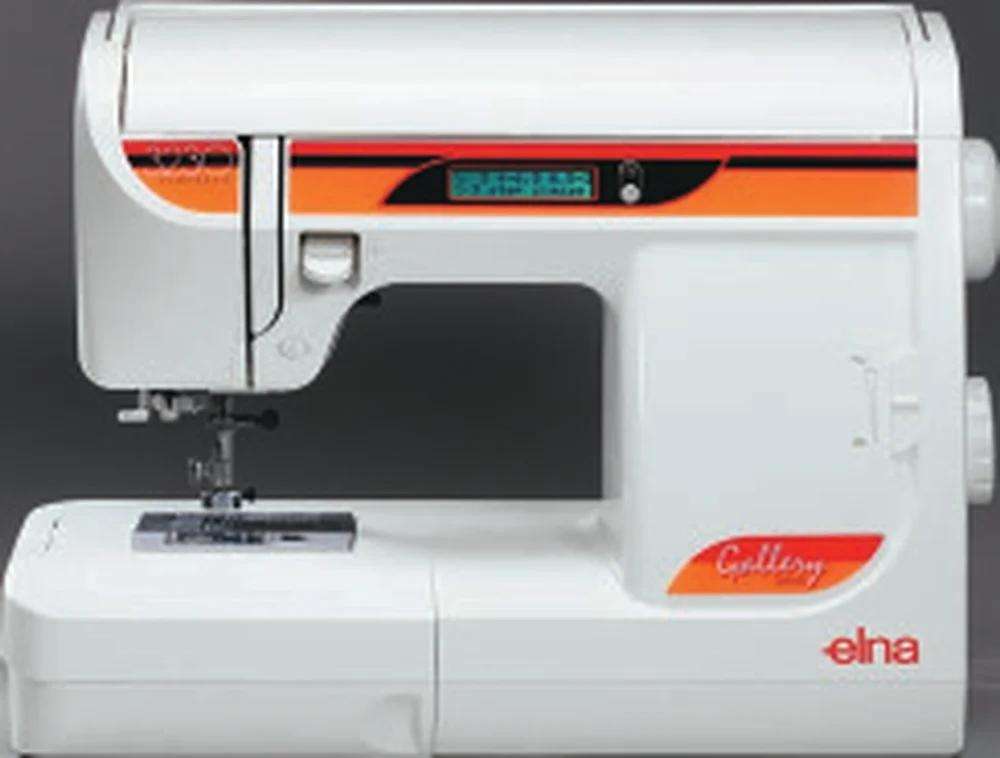
Why it's here Hook type: Horizontal rotary · manufacturer's source
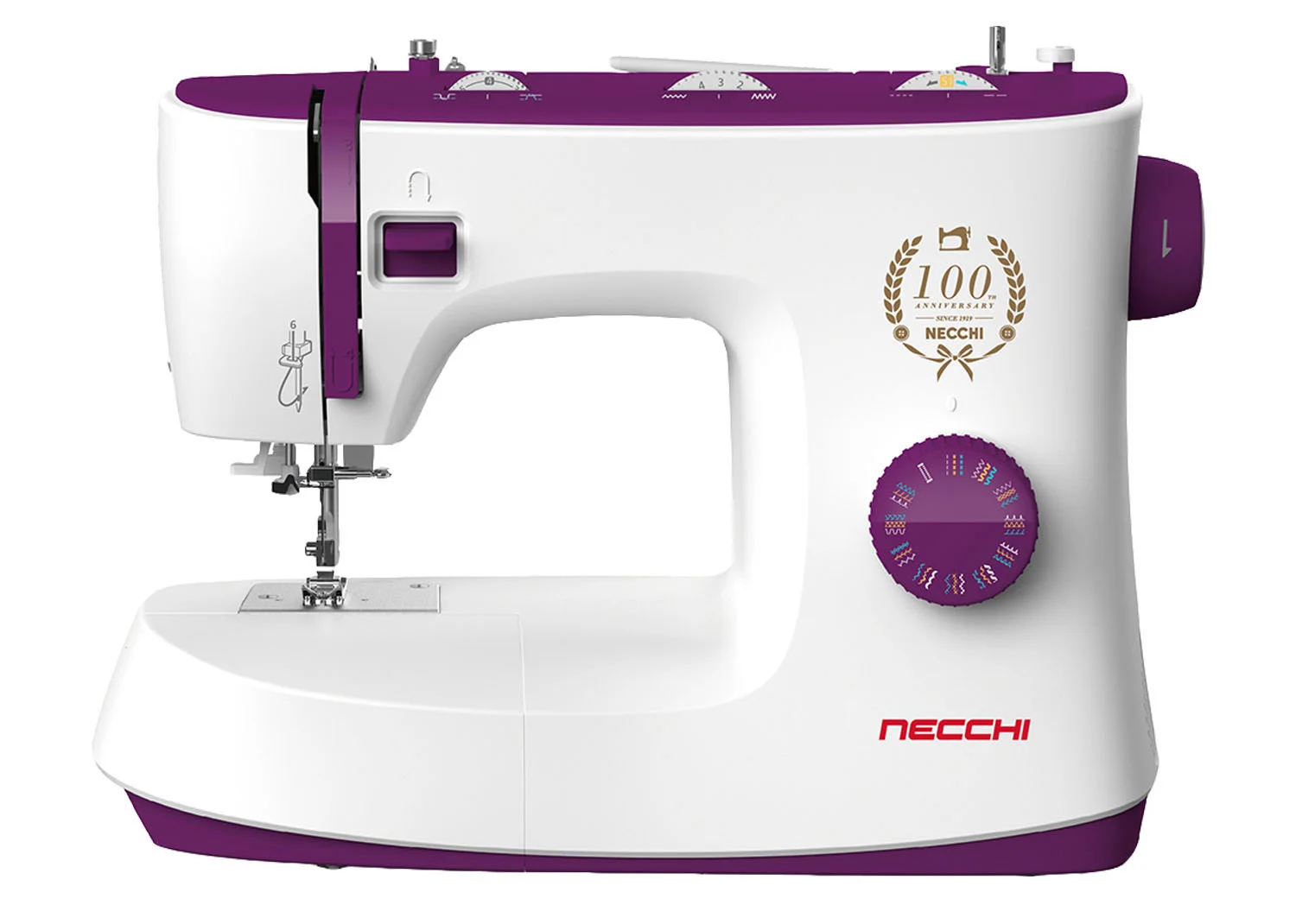
Why it's here Hook type: Vertical oscillating · manufacturer's source
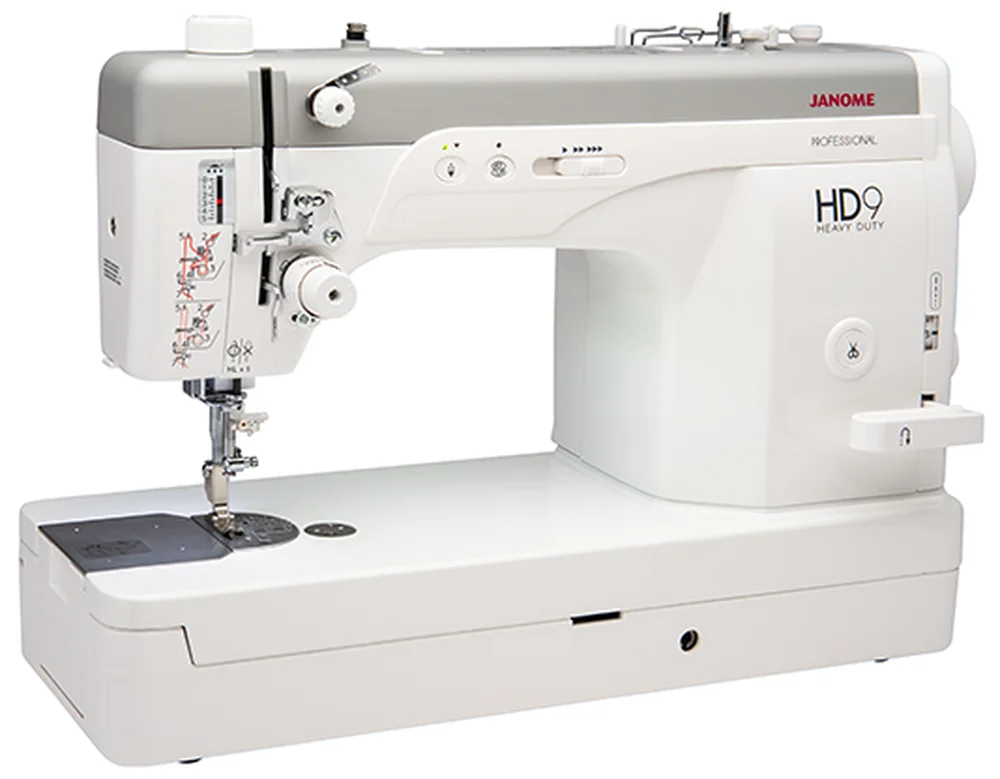
Why it's here Hook type: Vertical rotary · manufacturer's source