A used sewing machine: what to check before buying it
A used machine can be a good start, if you know what to look for: how it runs, how it sews, whether you can find the manual, bobbins and servicing. And what you give up compared with new, warranty included.
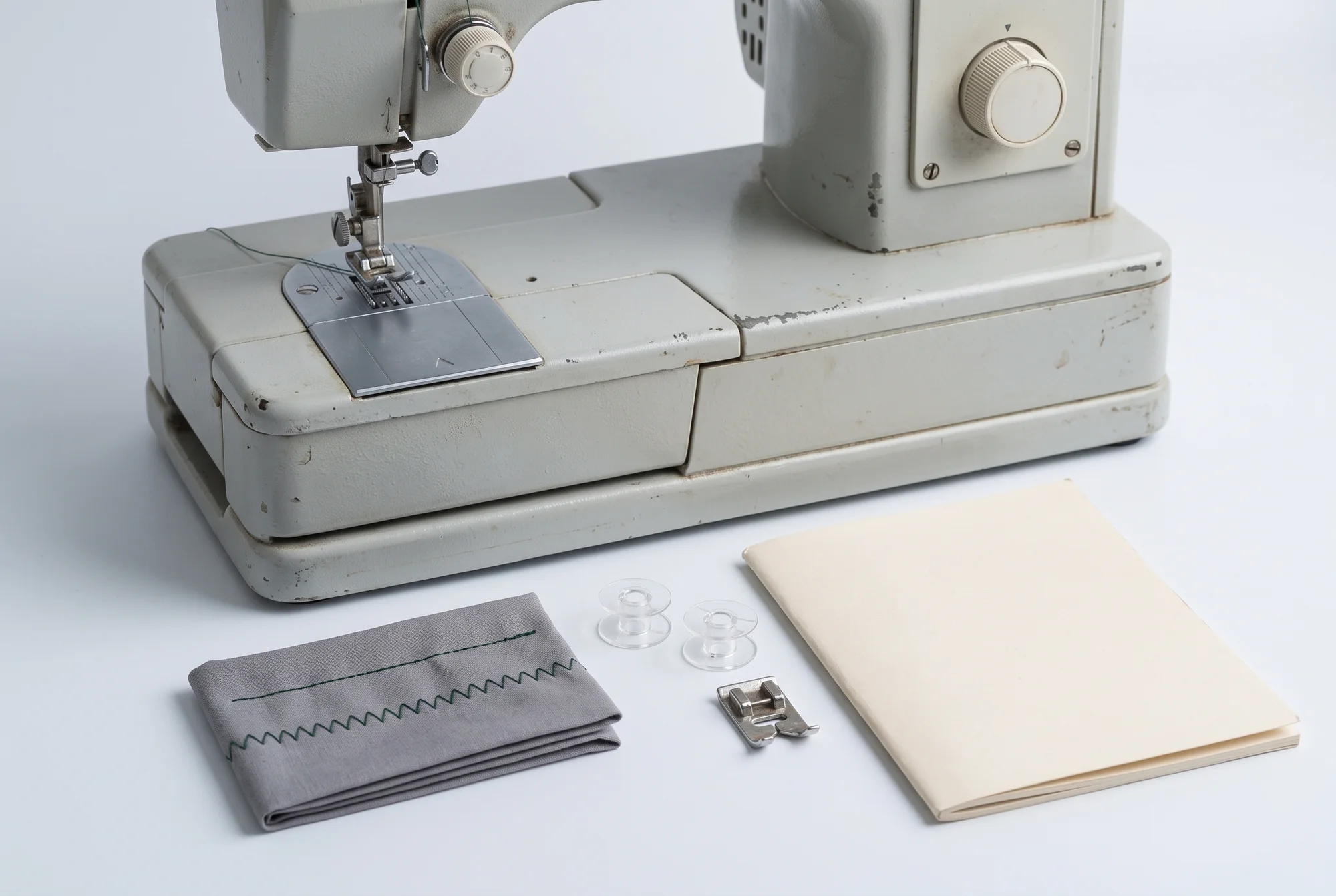
A second-hand sewing machine costs less than a new one, and sometimes comes from someone who barely used it. It can be a good way to start, or it can be a machine that makes thread nests from day one and puts you off sewing altogether. The difference comes down to a few checks you can make with a scrap of fabric in hand, and a few questions before you pay.
What you give up compared with new
Before the checks, it's worth knowing what a used machine doesn't give you.
The manufacturer's warranty. It's usually tied to whoever bought the machine first. Janome America states that its warranty isn't transferable and only applies to someone who bought the machine from an authorised dealer. Brother USA states that the warranty belongs only to the original end user, and that a machine already used or refurbished by someone else may not be covered. These are US conditions: in your country, the ones published by the brand apply, and it's worth reading them beforehand.
The statutory warranty. The rules change from country to country, and also depend on who's selling: a shop or an individual. Before buying, check the rules in your own country, and ask the seller whether they're liable for defects on a used machine, and for how long.
Testing and servicing. Consumer Reports recommends bringing fabric samples and trying the machine on different fabrics and settings, to see whether it sews evenly; Seamwork, in its buying guide, recommends trying used machines before buying too, whenever you can.
First of all: the exact model
Ask for the brand and model, which you'll find on the machine's nameplate. With those you can look up the manual and the manufacturer's spec sheet, and work out what's missing. Many manufacturers also put manuals online for discontinued models: Singer gathers the manuals for its own machines and for Pfaff and Husqvarna Viking on one page, Janome publishes its instruction booklets as PDFs, Bernina has a page of out-of-print manuals. The manual also tells you whether the machine needs oiling, and where: manufacturers disagree on this, as we explain in Cleaning and oiling your sewing machine.
Check the nameplate for the mains voltage too, and make sure it matches your own country's mains: some machines are built for the North American 110–120 V mains. As of 19 September 2026, of the 58 published sewing machines and sewing-and-embroidery combos in our catalogue, 21 state their power supply, and 7 of these are 110–120 V versions. A used machine that's come from another country may be built for a different voltage than yours.
Check its condition
- Cord, plug and pedal. Bernina's safety instructions say not to use the machine if the cord or plug is damaged, or if it has been dropped or damaged.
- Needle plate. Run a finger around the hole the needle goes through: Pfaff says to replace the plate if the hole is damaged.
- Bobbin case. Brother warns not to use a scratched case: the upper thread can tangle and the needle can break.
- Lint. Remove the plate, if the seller lets you, and look at the feed dogs and the hook (the catch under the plate that forms the stitch with the bobbin thread). Brother writes that dust and dirt in that area make the machine run poorly. A lot of lint means it hasn't been cleaned in a while; it isn't a fault, but it's a question worth asking.
Turn it over
With the machine off, turn the handwheel, the wheel on the right side, toward you: it should turn smoothly. Brother specifically names a handwheel that's stiff to turn, or an unusual noise, as a sign to stop using the machine and see a service centre. Then switch it on and run it slow and fast, first without fabric and then sewing.
On a computerised machine, check that the display lights up, that the buttons respond, and that the stitch sewn is the one selected. Bernina's computerised machines show a message when the scheduled maintenance interval has expired: if you see it, the machine is asking for a service.
Sew, on your own fabrics
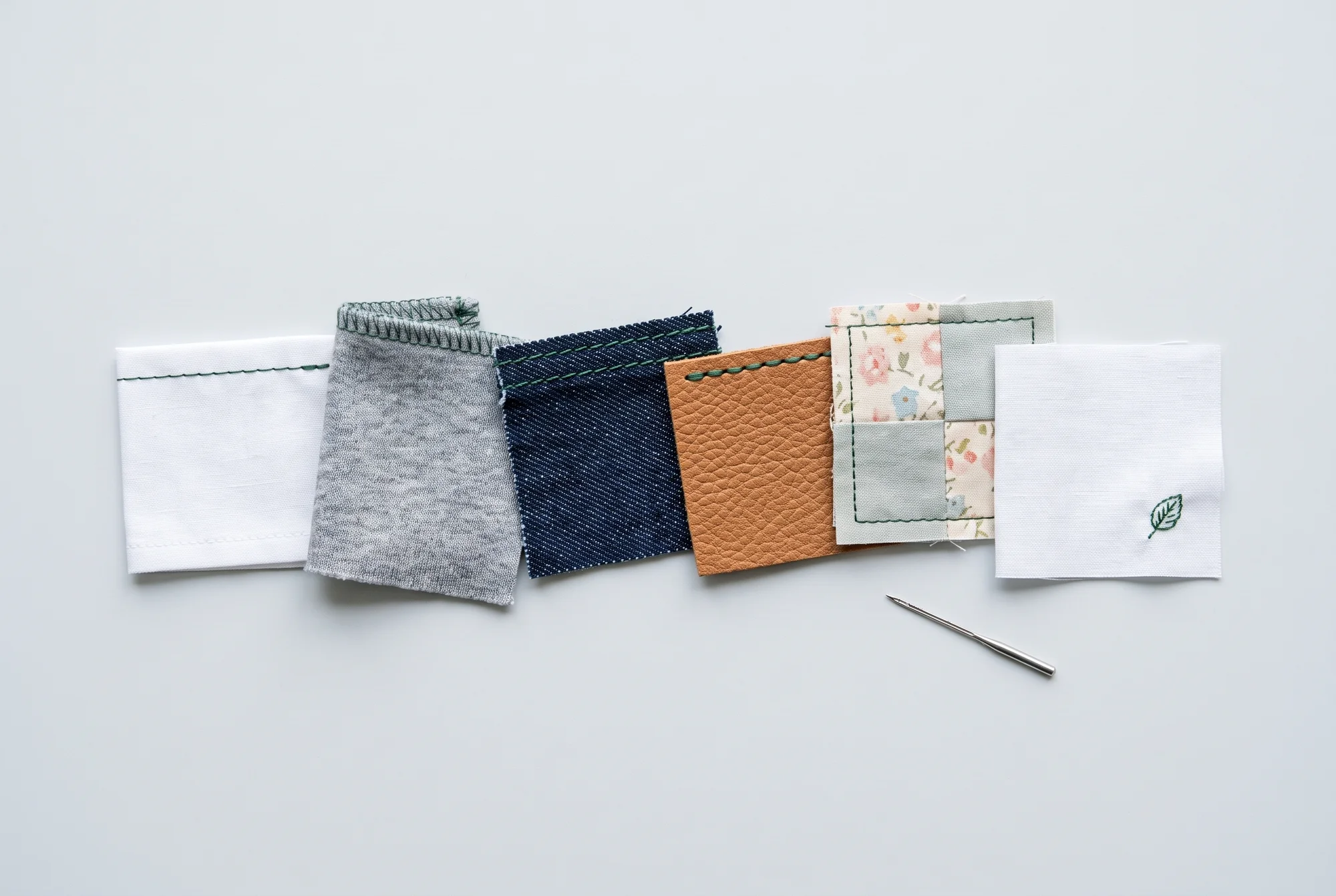
Before testing, fit a new needle, suited to the fabric: a worn needle gives the same symptoms as a faulty machine (see When to change your needle). Bring the fabrics you actually sew: a cotton, a jersey knit if you work with jersey, denim folded into several layers if you hem jeans.
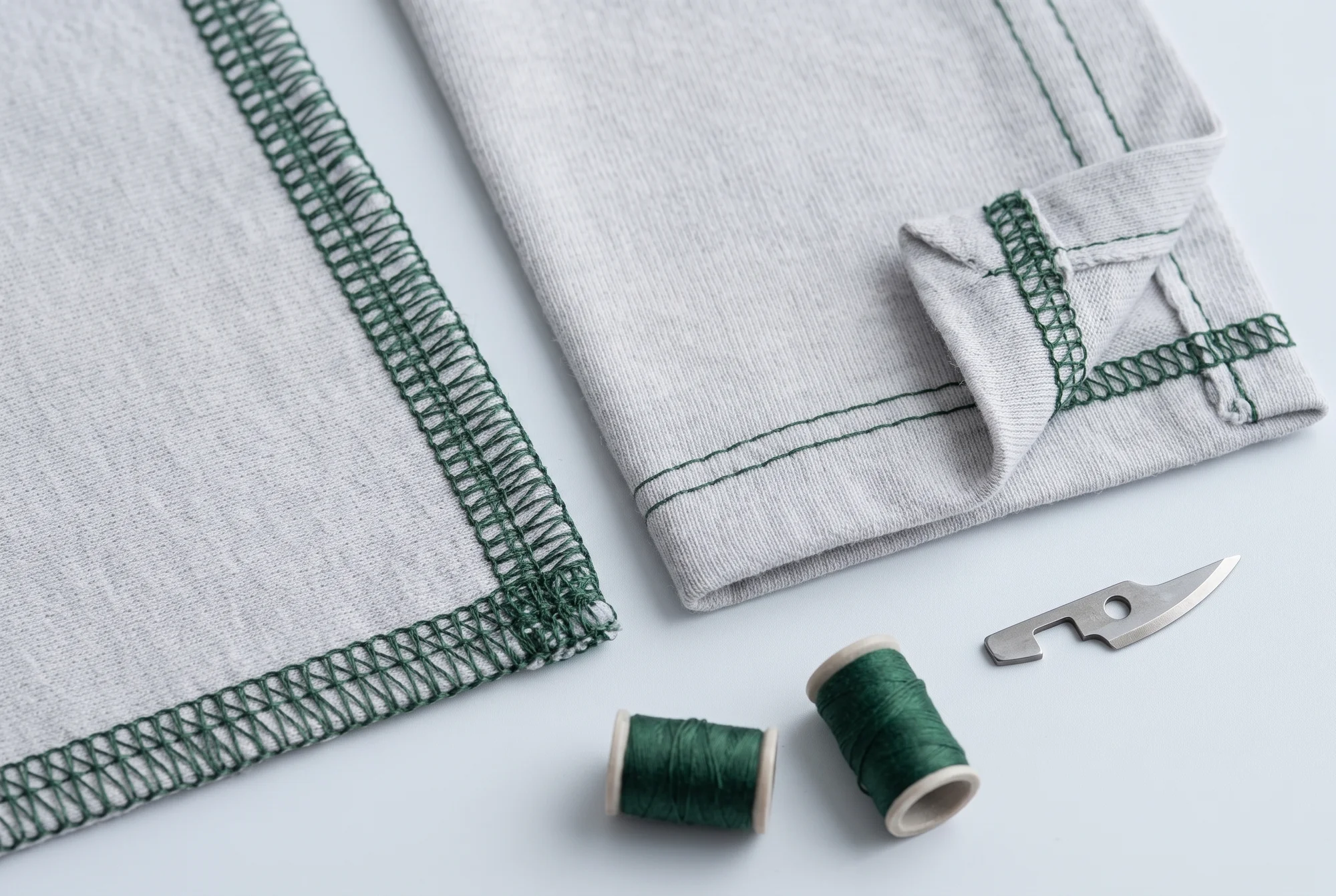
Try the straight stitch, the zigzag at its widest, reverse, and the buttonhole, if the machine makes one. Then look at the seam on both sides. Janome describes a successful straight stitch like this: the threads are locked between the two layers of fabric, with no gaps above or below, every stitch smooth and even. If you see loops or tangles underneath, before concluding the machine is faulty, follow Thread nests and skipped stitches: it's often the threading.
Bobbins, needles, feet
Bobbins. They aren't all the same. Janome sells a standard bobbin compatible with all its sewing and embroidery machines except four models; Singer asks you to use bobbins of the same type as the ones supplied, rather than substituting them; Pfaff only recommends the original bobbins designed for the model. Check that the machine has its own bobbins, and find out which type it uses. The type of hook, recognisable from where the bobbin goes in, is explained in Rotary or oscillating hook.
Needles. Schmetz writes that its needles for domestic machines, system 130/705 H, fit machines from every manufacturer. Some semi-professional machines accept others too, and the manual states which.
Feet. How the foot attaches to the machine decides which feet you'll be able to buy afterwards: low shank, high shank, slant shank, or a brand's own system. This is explained in Shank and presser foot attachment. Manuals list the accessories included: compare that list with what's actually in the box.
Spare parts and servicing
We found no manufacturer that states how many years it guarantees spare parts for discontinued models. Before buying a model that's out of the catalogue, ask a service centre for that brand whether they still repair it and can find the parts. Consumer Reports notes that many dealers offer in-store servicing or point you to a repair centre or the manufacturer.
How to decide
| New | Used, from a shop | Used, from an individual | |
|---|---|---|---|
| Statutory warranty | according to the rules of your country | to be checked in your country | to be checked in your country |
| Manufacturer's warranty | per the brand's conditions | usually tied to the first buyer | usually tied to the first buyer |
| Manual and accessories | in the box | to be checked | to be checked |
| Testing before buying | ask the shop | ask | ask |
A used machine makes sense when you know what you want to sew, can test it on your own fabrics, can find the manual and bobbins, and there's someone who repairs it. If you're just starting out and don't have anyone to help you spot a fault, new gives you a warranty and a shop to turn to. If you haven't yet decided what type of machine you need, start from What do you want to sew and Mechanical, electronic or computerised.
Sources
- Janome America, «Warranty» — Source 1
- Brother USA, «Can warranty be transferred to another person if machine is sold?» — Source 2
- Brother, «Where do I put the oil in my machine?» (support, XR3340) — Source 3
- Brother, «How do I clean the machine? (Cleaning the race)» (support, BM3850) — Source 4
- SINGER, manual HD 4523 — Source 5
- SINGER, «Product manuals for SINGER, PFAFF and Husqvarna Viking sewing machines» — Source 6
- BERNINA USA, out-of-print manuals — Source 7
- BERNINA, user manual 570 QE (2023) — Source 8
- PFAFF, manual expression 715 — Source 9
- Janome, instruction booklet 5024 — Source 10
- Janome, «Bobbin Standard» — Source 11
- SCHMETZ, Needle ABC, edition 03/2024 — Source 12
- Consumer Reports, «Sewing Machine Buying Guide» (updated on 17/05/2016) — Source 13
- Seamwork, «The Ultimate Guide to Buying a Sewing Machine» (31/10/2021) — Source 14
Three examples from the catalogue
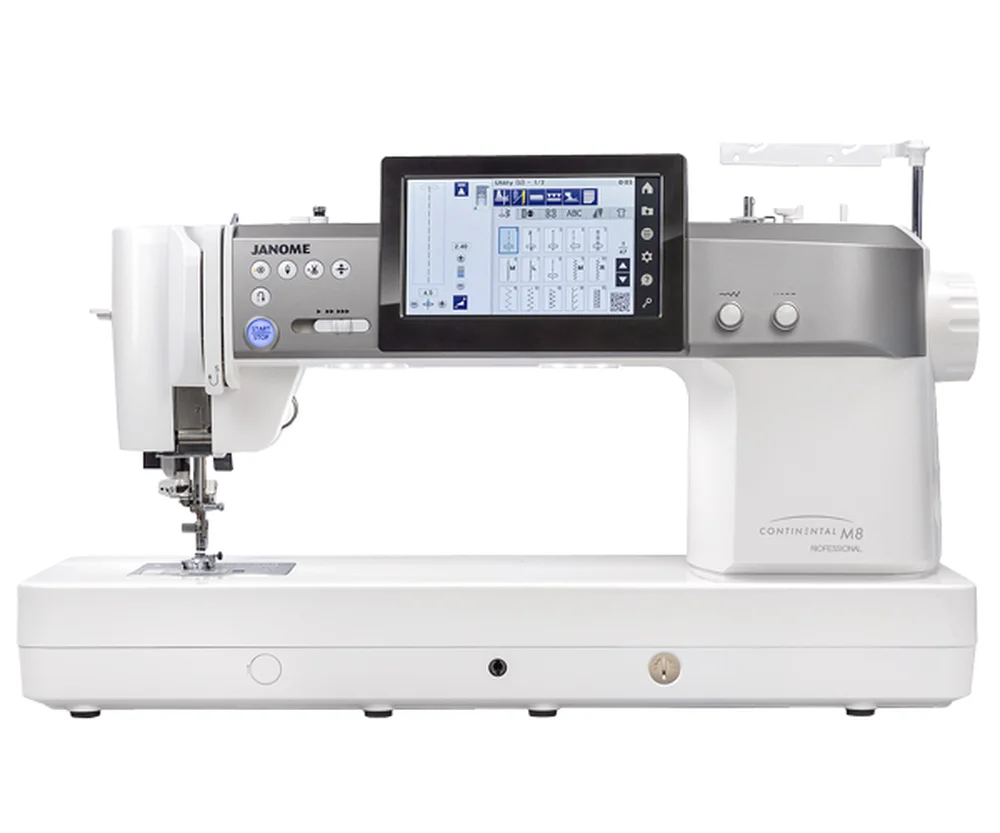
Why it's here Frame material: Aluminium · manufacturer's source
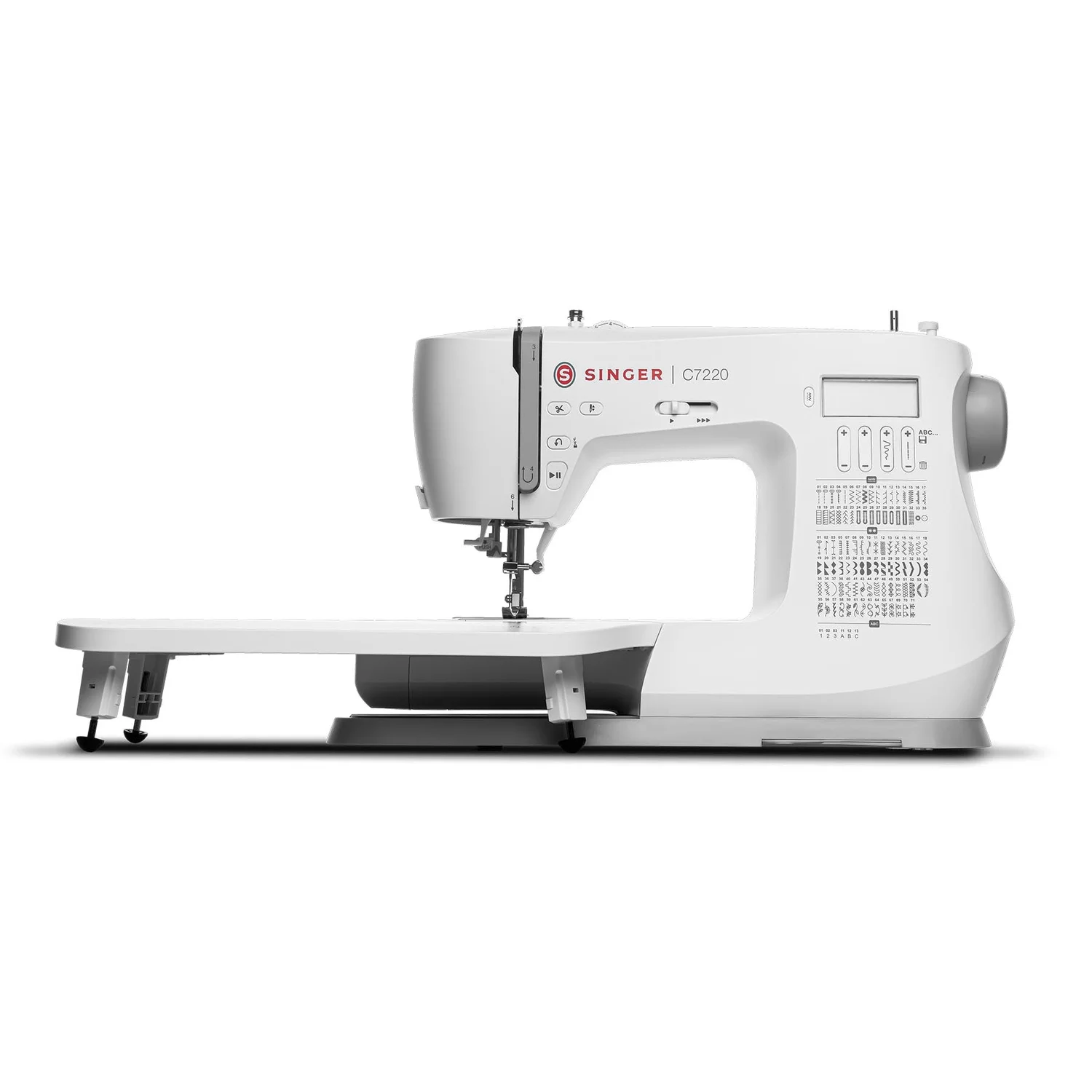
Why it's here Presser foot attachment: Low shank, snap-on · manufacturer's source
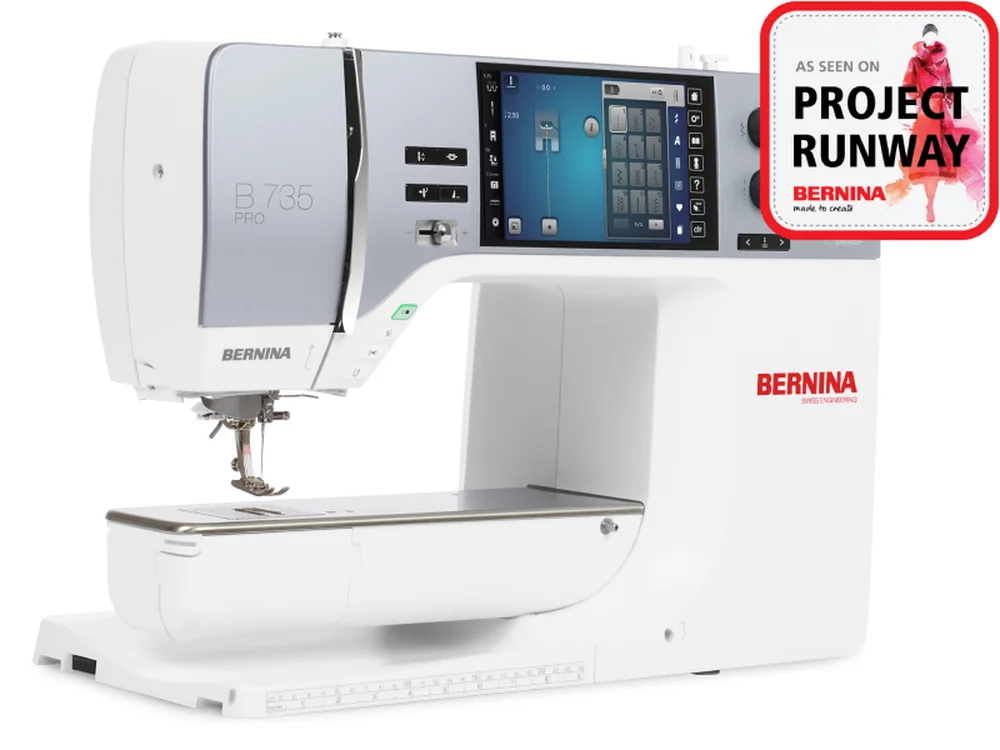
Why it's here Power supply: Multi-voltage · manufacturer's source